Battery Knowledge
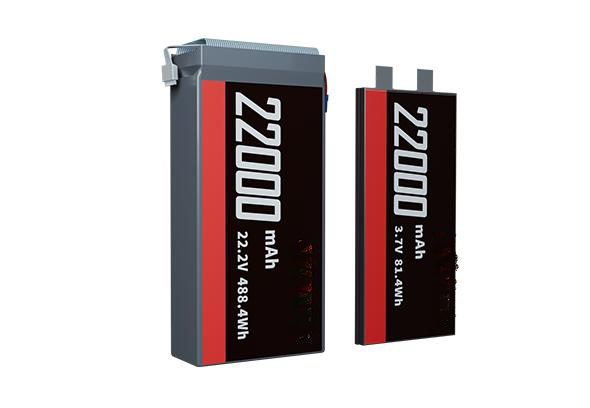
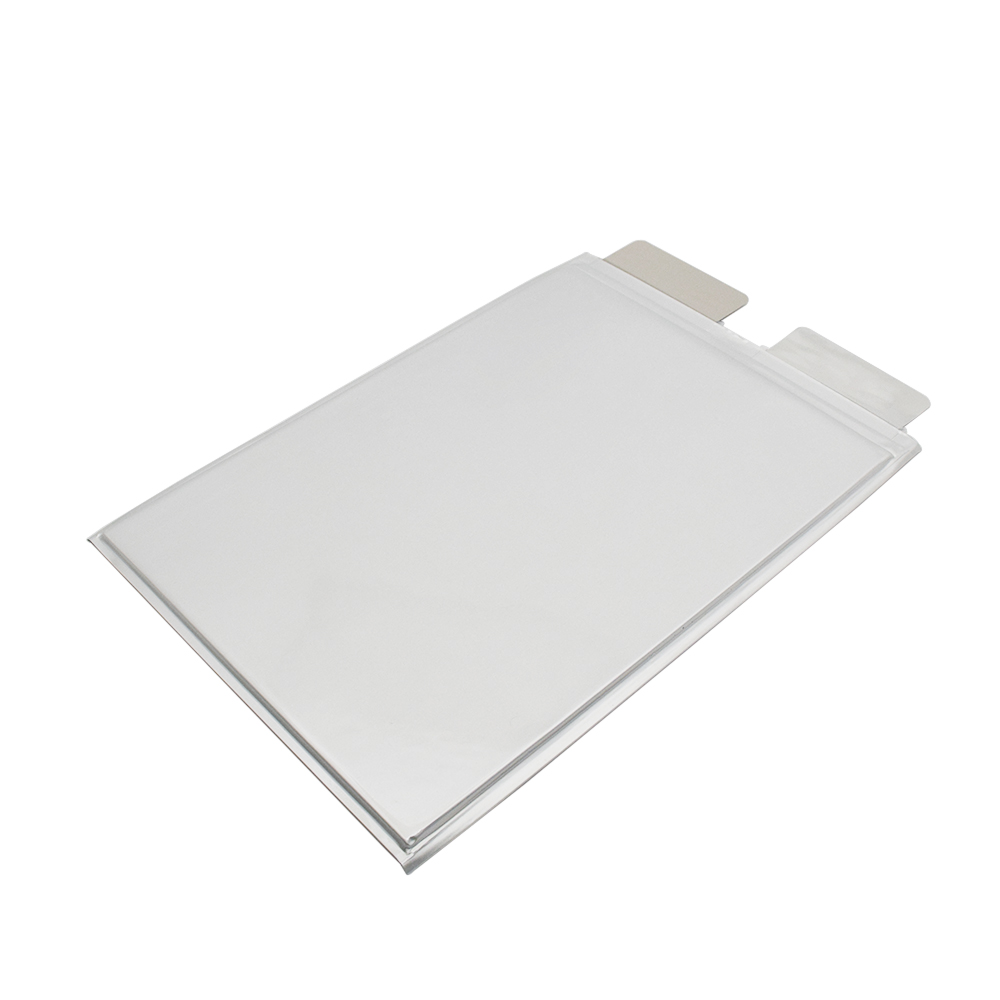
Most drone batteries are lithium polymer (Li-Po) batteries, serving as the power core of drones. They supply electricity to motors, flight controllers, and video transmitters, directly determining flight duration, payload capacity, and performance.
1. Main Type: Lithium Polymer (Li-Po) Batteries
These are used almost exclusively in consumer-grade, aerial photography, and agricultural drones on the market:
Features:
Lightweight and flexible, with high discharge rates and strong burst power—ideal for rapid acceleration, hovering, and vertical climbs. High energy density means longer flight times at the same weight.
Common Voltage Ratings (S indicates number of series-connected cells):
1S: 3.7V (small toy drones)
2S: 7.4V (pocket-sized drones)
3S: 11.1V (most common for entry-level aerial photography drones)
4S: 14.8V, 6S: 22.2V (industrial, agricultural, racing, and heavy-lift drones)
Each cell has a full charge voltage of 4.2V; discharging should not go below 3.0V, as deep discharge will render the battery unusable.
2. Two Less Common Drone Battery Types
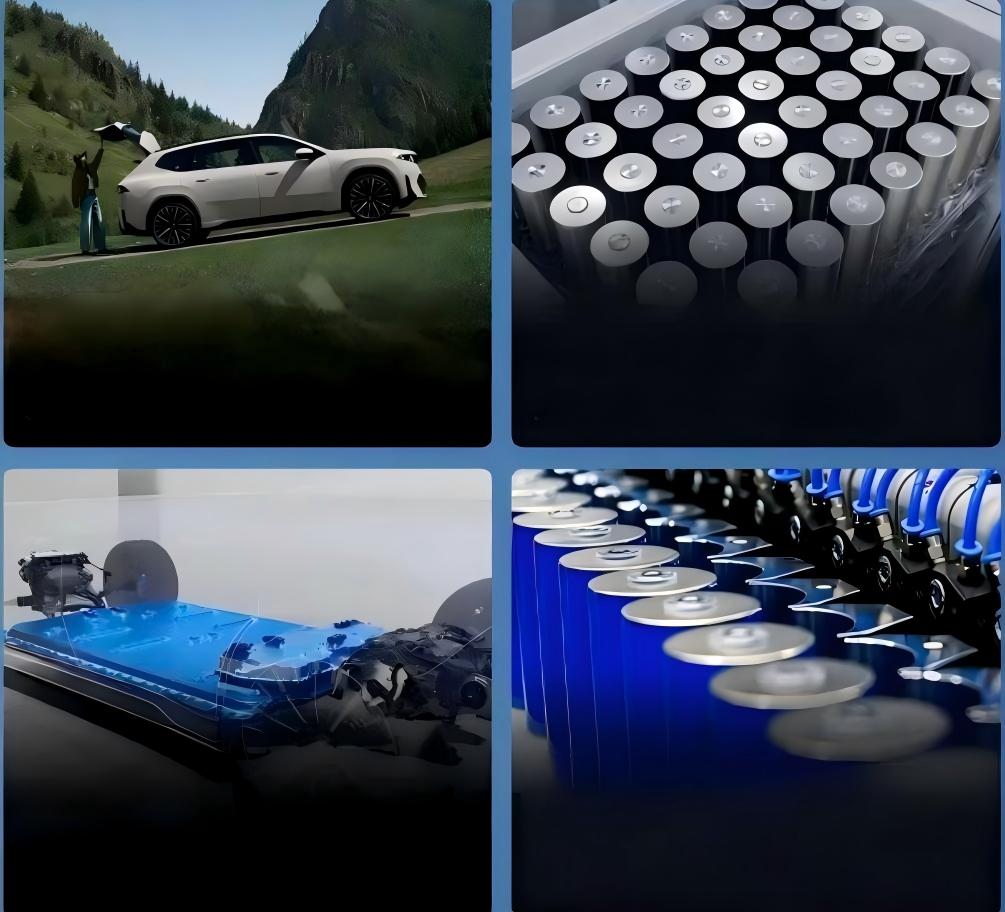
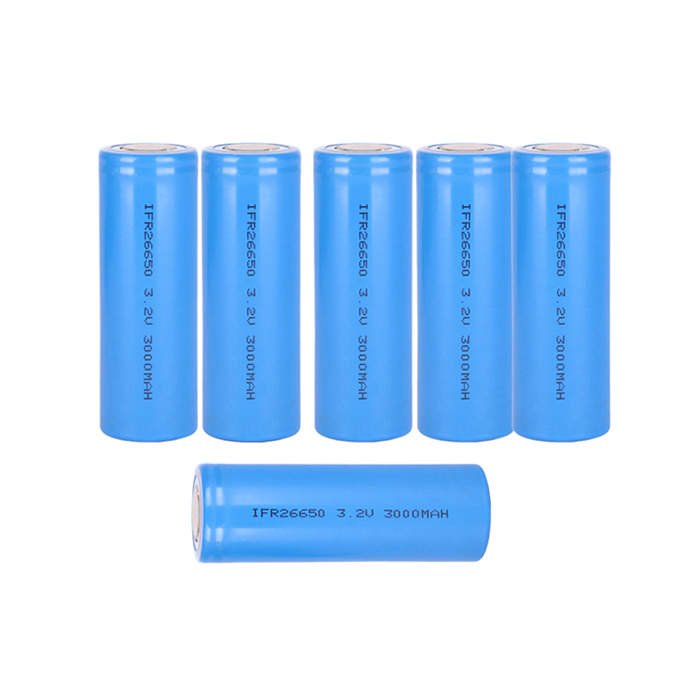
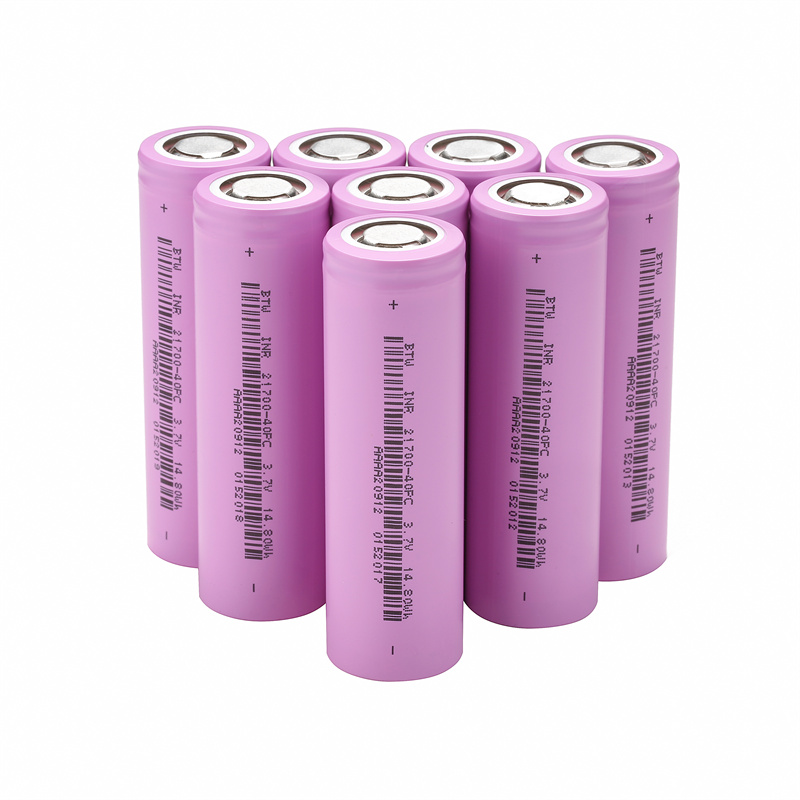
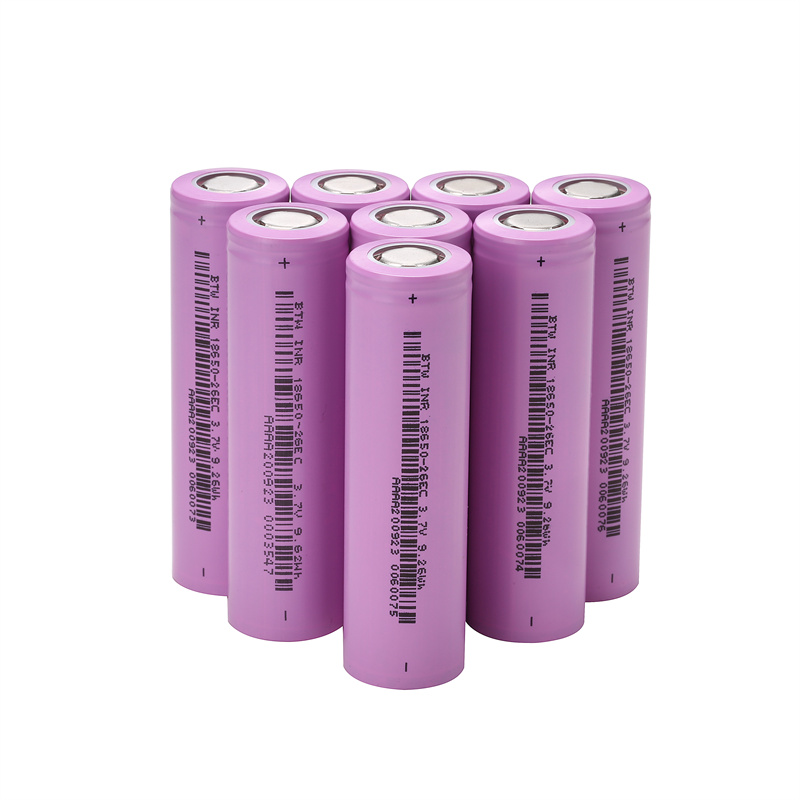
Lithium-ion Cylindrical Cells (18650/21700):
Primarily used in large industrial fixed-wing or long-endurance hybrid oil-electric drones. These offer high safety and long cycle life, but have lower peak discharge power compared to soft-pack Li-Po batteries.
Solid-State Lithium Batteries:
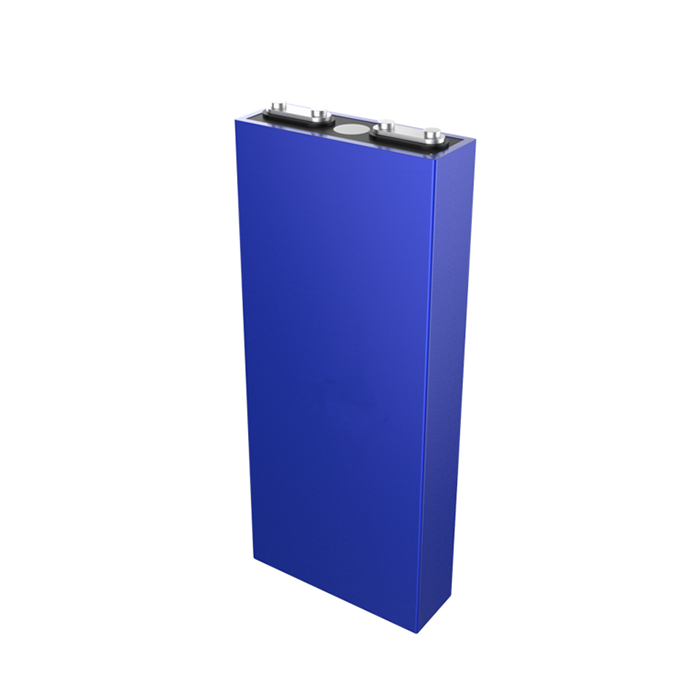
Used in new high-end models, offering improved safety and resistance to swelling or fire, though they are more expensive.
3. Key Parameters Explained
Capacity (mAh): For example, 5000mAh—the higher the capacity, the longer the flight time, but also the heavier the battery.
Discharge Rate (C): e.g., 25C/30C—the higher the C rating, the greater the peak current output. High-C batteries are essential for heavy loads and racing drones.
Nominal Voltage: Determines compatibility with drone ESCs; mismatched voltages must not be used together.
4. Usage Guidelines
Never overcharge or over-discharge: Overcharging causes swelling and fire; over-discharging damages cells.
Storage: When not in use for extended periods, store at approximately 3.8V per cell (half-charge), avoiding both full or empty states.
Safety: Do not use swollen or damaged batteries. Soft-pack Li-Po batteries are prone to spontaneous combustion when punctured or exposed to high temperatures.
5. Applications by Category
Consumer Aerial Photography (e.g., DJI): 3S/4S soft-pack Li-Po batteries, prioritizing lightweight design.
FPV Racing Drones: High-rate 2S–6S Li-Po batteries, optimized for maximum burst power.
Agricultural/Industrial Heavy-Lift Drones: High-capacity 6S/12S Li-Po batteries, designed for high current and large payloads.